COUNTERWATCHPROTECTION
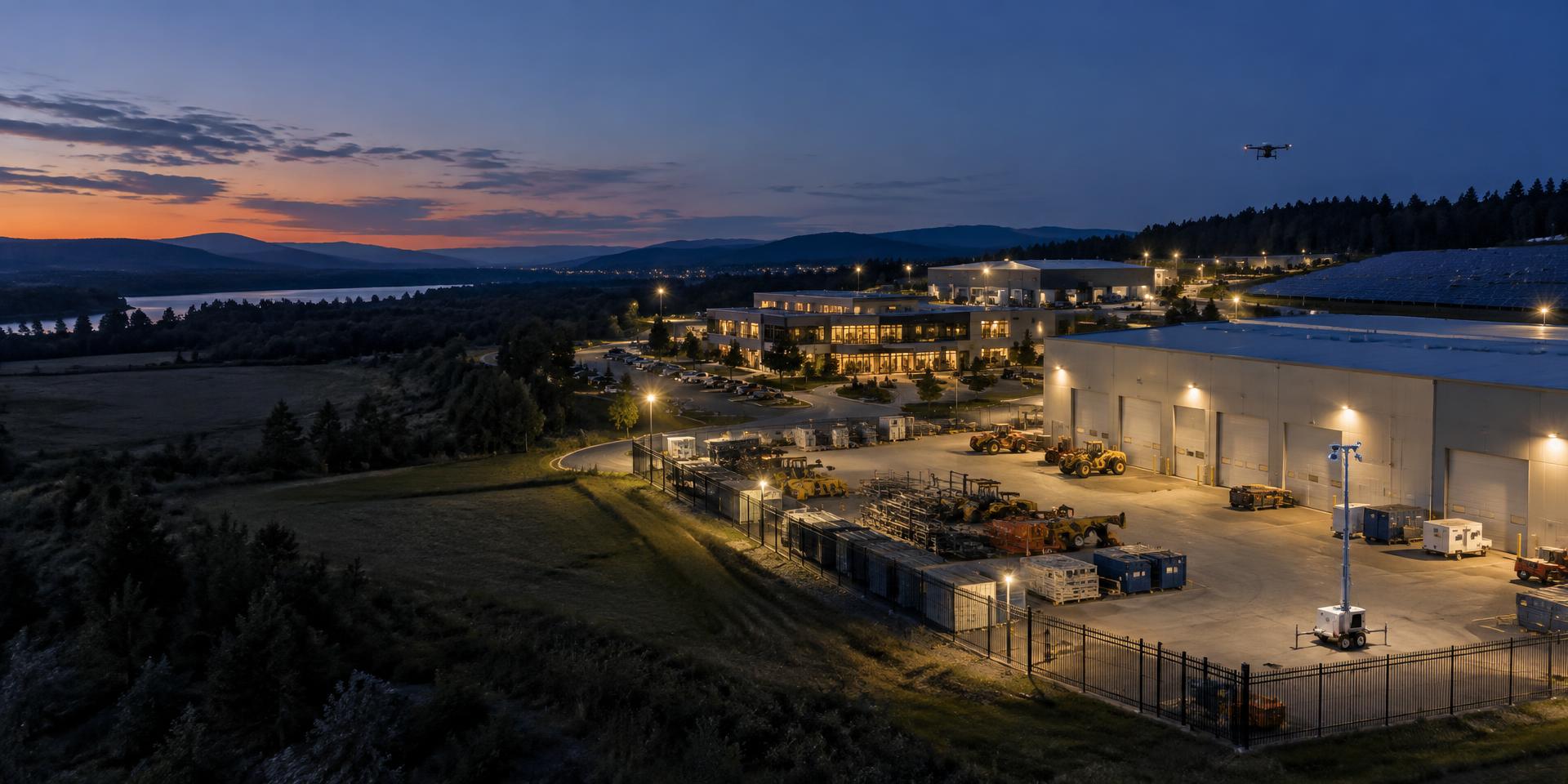
Security drone and mobile surveillance trailer protecting a multi-building commercial property at dusk

Insights

Practical Thinking for Complex Protection Environments

Substantive guidance on coverage, verification, documentation, aerial programs and coordinated protection, without unsupported absolutes.

Coverage Design

Why Fixed Cameras Struggle Across Large Properties

A fixed camera can be excellent within the scene it was selected to observe. The problem begins when a property expects that same view to provide useful detail across long distances, changing light, parked equipment, vegetation or weather.

Detection vs. Identification

Coverage design should separate the two. A distant camera may show that something moved without showing what happened. Mobile and aerial viewpoints can fill the gaps fixed infrastructure cannot address efficiently.

Start With a Coverage Map

A coverage map distinguishes Observed, Partially Observed and Unobserved areas. Technology decisions should follow that map.
Incident Readiness

Designing Surveillance for Evidence, Not Just Alerts

An alert is useful only when someone can establish what caused it and preserve the relevant information. That requires camera placement, image quality, time synchronization, retention and operator procedure to work together.

Systems designed with post-incident review in mind consider whether a person, vehicle, direction of travel or sequence of activity can be understood later. They also consider how exports are organized and who is responsible for preserving them.

No system can guarantee a legal outcome. It can, however, be designed to produce clearer and more organized information for operational, insurance, investigative and legal review.

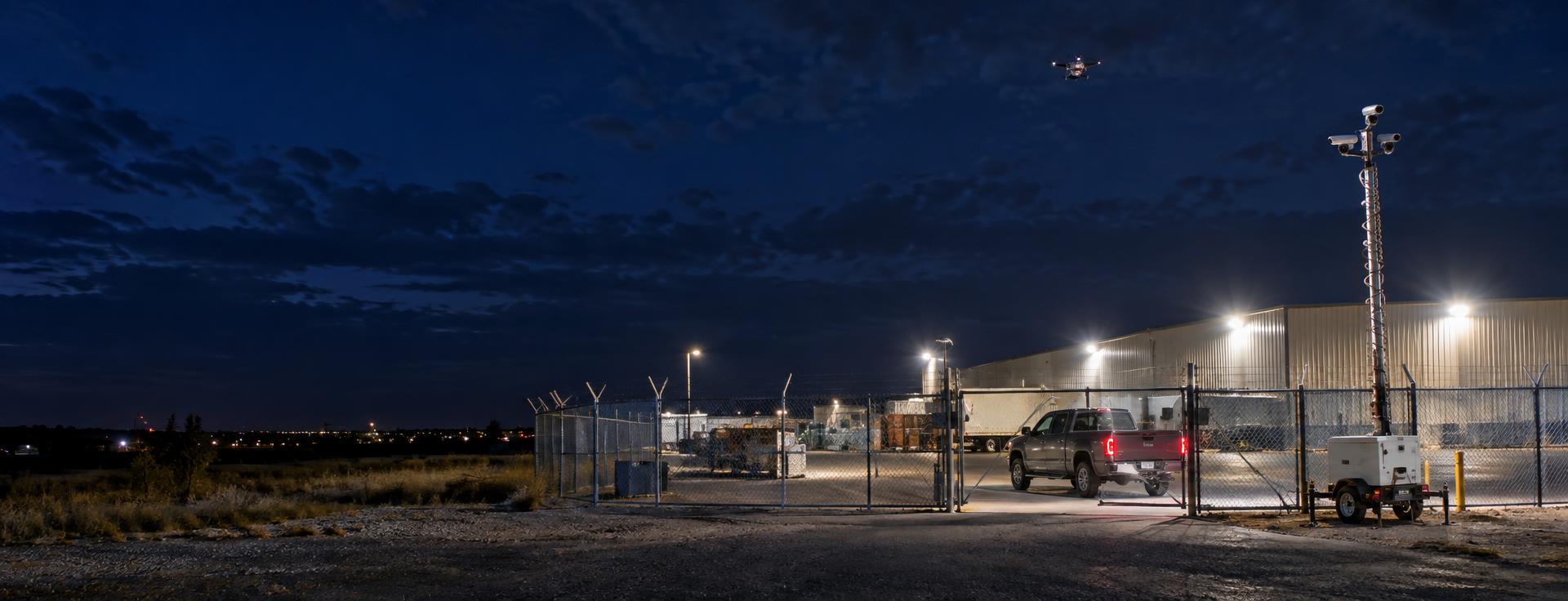
Security drone and mobile surveillance trailer documenting a vehicle at a fenced property gate at night

Aerial Programs

Using Drones for Security and Inspection From the Same Aerial Program

Shared Foundations

Security and inspection ask different questions, but they can benefit from common aerial planning, aircraft support, site knowledge and documentation standards.

Distinct Missions

A security mission may focus on a perimeter, yard or event. An inspection mission may focus on a roof, solar array, building envelope or remote asset. Defining each mission separately keeps the capture useful while allowing the customer to gain more value from the aerial program.

Flight Availability and Authority

Flight availability always depends on the site, weather, airspace, privacy requirements and applicable operating authority. BVLOS missions require the appropriate approvals and authority.

Enterprise Protection

Standardizing Protection Across Multiple Sites

A portfolio rarely starts with identical equipment. Locations inherit different cameras, alarms, providers and local procedures, making performance difficult to compare.

A repeatable assessment method creates a common baseline without forcing immediate replacement. Each site can be mapped, prioritized and phased while monitoring workflows, escalation procedures and reporting are standardized across the organization.

The goal is not identical hardware everywhere. It is consistent visibility, decision-making and accountability across the portfolio.

Discuss

Apply the Question to Your Own Property

A Site Protection Assessment turns general principles into a practical plan for your environment.